
Nearly 70% of Collegiate Female Athletes Experience Stress Urinary Incontinence. Why Aren't We Talking About It?

For athletes, pushing the limits of physical ability is part of the sport. But what happens when that effort, a hard run, a heavy lift, or a powerful jump, is accompanied by an unwelcome leak of urine?
This common, yet often un-talked-about issue is Stress Urinary Incontinence (SUI), and it affects a surprisingly high number of athletes, especially women, across all ages and levels. If this is a reality for you, you are far from alone, and it is a manageable condition with solutions.
What is Stress Urinary Incontinence?
Stress Urinary Incontinence is the involuntary loss of urine during activities that increase intra-abdominal pressure. Essentially, your bladder pressure temporarily overpowers your urethral closure pressure, leading to a leak.
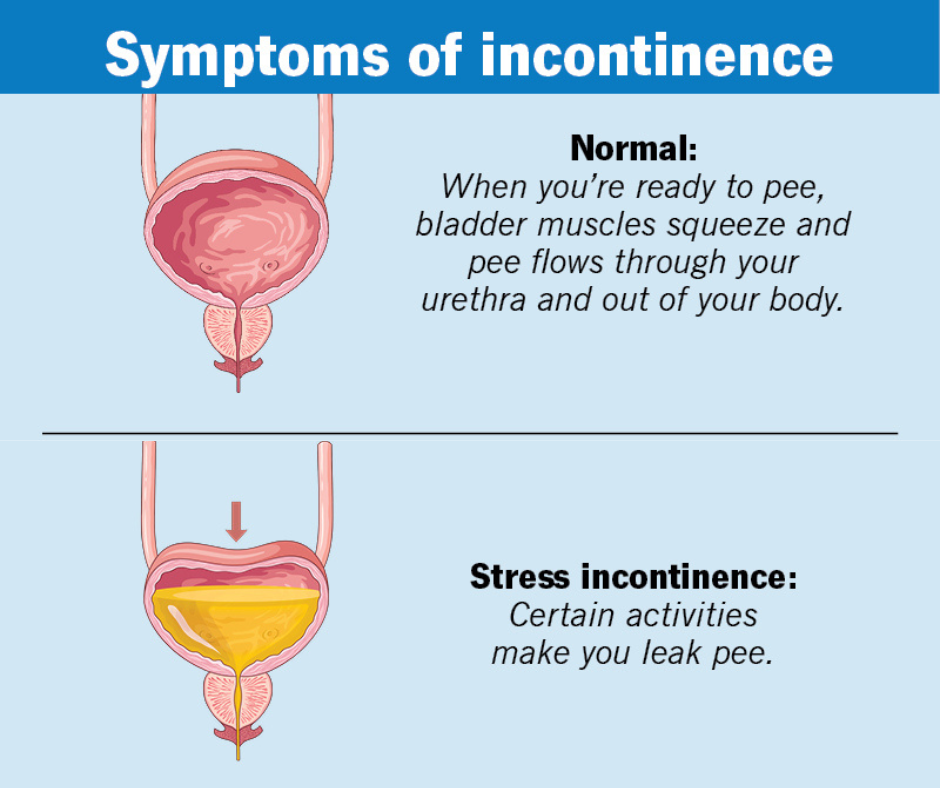
For athletes, this commonly occurs during:
High-impact activities, such as running, jumping, sprinting, or landing.
Heavy lifting, including deadlifts, squats, cleans, and other strength training movements.
Sudden movements, like quick changes in direction, sneezing, or coughing.
Prevalence in Female Sports
While we often associate urinary incontinence with older age or post-partum, recent research highlights just how prevalent SUI is in the athletic community. In one survey of female collegiate athletes, the numbers were surprising.
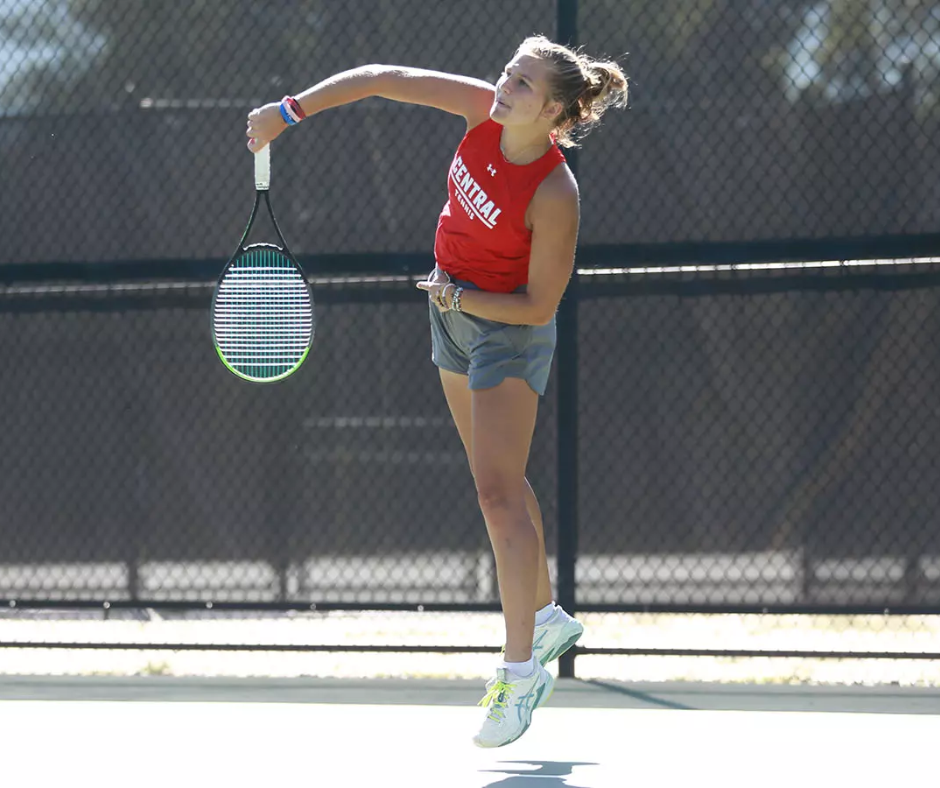
An overwhelming 68.5% of female collegiate athletes reported experiencing SUI.
54.2% reported SUI during daily life activities, such as coughing, sneezing, or laughing.
40.0% reported leakage during participation in their sport, and for over half of those athletes, their symptoms began as early as high school.
The high-intensity, repetitive forces in sports like running, jumping, and lifting can place constant and intense stress on the pelvic floor muscles, the group of muscles that support the bladder and help control continence.
Why Does This Happen to Athletes?
It might seem counterintuitive that athletics individuals experience this problem. The cause isn't simply a "weak" pelvic floor; it's often more complex and can be due to many factors.
High Intra-Abdominal Pressure: Explosive movements like jumping, running, and heavy lifting create massive amounts of pressure in your abdominal cavity. If the pelvic floor muscles don't contract at the right time or with enough force to counteract this pressure, leakage occurs.
Pelvic Floor Muscle Dysfunction: In some athletes, the pelvic floor muscles are:
Weak: They can’t generate enough closing pressure.
Overactive: They are constantly too tense and can't relax and contract effectively when a sudden burst of force is needed.
Poor Coordination: The muscles may not be engaging in sync with the core muscles.
Training Volume and Intensity: The combination of long duration and high intensity athletics is a major factor, leading to muscle fatigue over time.
The Struggle Beyond the Sport
SUI is more than just a physical annoyance; it can severely impact an athlete's well-being and performance.
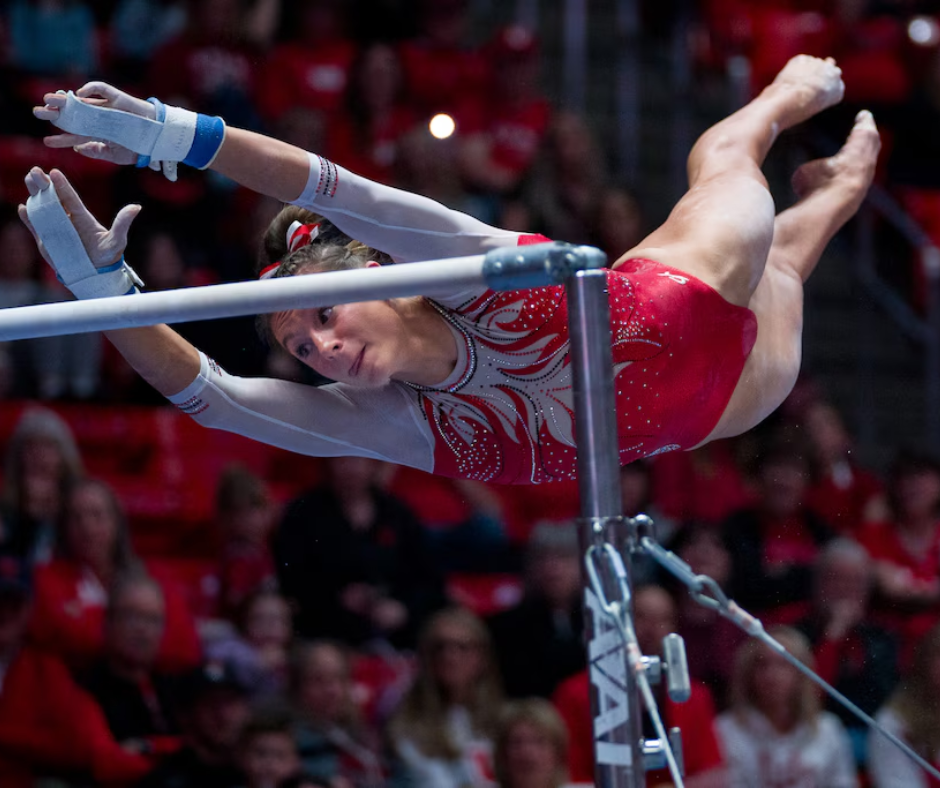
Mental & Emotional Toll: Many athletes report feelings of embarrassment, shame, and frustration, which often prevent them from discussing it. In fact, a vast majority of athletes who experience SUI never discuss it with a coach or healthcare professional.
Compromised Performance: Athletes may avoid specific exercises (like running or jumping), reduce fluid intake (risking dehydration), or even stop participating in their sport altogether to prevent leakage.
Missed Opportunity for Help: Since SUI is often accepted as a "normal" side effect of training, the overwhelming majority of athletes don't seek out the effective treatment options that exist.
Lack of Pelvic Floor Education: 76.7% of female collegiate athletes reported they had never been instructed on exercises to strengthen the pelvic floor muscles.
Solutions Are Available
The most important takeaway is this: Leaking is common, but it is NOT normal, and it is treatable. The most effective treatment is Pelvic Floor Muscle Training, guided by a Pelvic Floor Physical Therapist.
Here are the key steps to finding a solution:
Talk to a Pelvic Floor Physical Therapist. They specialize in assessing the strength, endurance, and coordination of your Pelvic Floor Muscles. They can determine if your muscles are too weak, too tense, or simply lack proper coordination.
Learning to properly coordinate your breathing and core engagement with your pelvic floor during exertion is critical. This helps manage the pressure created by athletic movements.
A therapist can help modify specific exercises that provoke leakage until your pelvic floor capacity improves. You shouldn't have to give up your sport!
You deserve to pursue your athletic goals without the limitations of Stress Urinary Incontinence. By bringing light to this common issue, we can empower athletes to get the help they need and continue competing at their best. If you're struggling, take the first step and talk to a Pelvic Floor Physical Therapist today.

Accelerated Sports Therapy is proud to feature Betsy Walts, a Board-Certified Women’s Health Specialist and a true leader in her field. Betsy founded Minnesota’s first Women’s Health Physical Therapy Residency Program. As an athlete, she understands the importance of pelvic health education, advocating for early screening to address issues like urinary incontinence and preventing drop-out from sports.
You deserve to pursue your athletic goals without the limitations of Stress Urinary Incontinence. By bringing light to this common issue, we can empower athletes to get the help they need and continue competing at their best. If you're struggling, take the first step and talk to a Pelvic Floor Physical Therapist today.